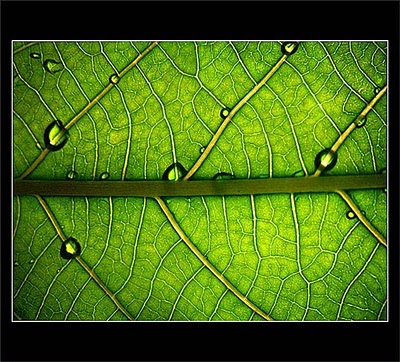
Sometimes we can get so caught up with the grand scale of things that we tend to miss the smaller finer things that also make great photographs. If you need a break from taking photos of pristine beaches, snow-capped mountains or tall buildings, it’s time for you to look at objects closer, much closer.
1. Smooth and polished
Textures are great to feel, but they’re also fun to shoot. Many different textures surround us, but not every one of them is going to look good in a photo. For example, smooth surfaces might be nice to touch, but it’s going to be harder to translate this allure on camera. Nevertheless, a few people have managed to capture smooth textures beautifully.
2. Rough and bumpy
Something more rugged with more grooves and bumps will create a interesting photograph. Keep in mind that lighting is also very important. Having the light hit straight on to the texture could make it more flat and less appealing. However, shoot it from an angle for some contrast and you’re on the right path to producing some very intriguing photos.
3. Think macro, get up close!
Try to get as close to the surface as possible. The less likely someone is able to tell what the object is, the better. If you don’t have the cash to spend on a macro lens, an auxiliary close-up lens or a reversing ring are inexpensive alternatives.
via:photoble.com